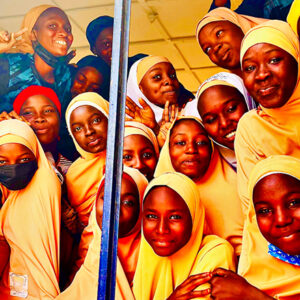
Violence against women continues to be one of the world’s most persistent and under-addressed human rights crises, with minimal progress over the past two decades, according to a landmark report released by the World Health Organization (WHO) and UN partners. Globally, nearly one in three women—approximately 840 million—have experienced physical or sexual violence by an intimate partner during their lifetime. In the past 12 months alone, 316 million women aged 15 or older were subjected to such violence, representing an annual decline of only 0.2% over two decades.
For the first time, the report includes national and regional estimates of sexual violence by someone other than a partner, revealing that 263 million women have experienced non-partner sexual violence since age 15. Experts note this figure is likely under-reported due to stigma and fear. WHO Director-General Dr. Tedros Adhanom Ghebreyesus emphasized that ending violence against women is a matter of dignity, equality, and human rights, and is essential for peace, development, and health.
Despite mounting evidence of effective prevention strategies, funding for programs addressing violence against women remains critically low. In 2022, only 0.2% of global development aid supported such initiatives, and funding has continued to decline in 2025. This shortfall persists even as humanitarian emergencies, rising inequality, and other challenges place millions of women and girls at heightened risk. Violence against women begins early and carries lifelong risks, including unintended pregnancies, sexually transmitted infections, depression, and exposure to abusive environments during childhood. Adolescents are particularly affected, with 12.5 million girls aged 15–19 experiencing physical or sexual violence by a partner in the past year.
The report calls for urgent and decisive action by governments to scale up evidence-based prevention programs, strengthen survivor-centered health, legal, and social services, invest in robust data systems to track progress, and enforce laws and policies empowering women and girls. Countries such as Cambodia, Ecuador, Liberia, Trinidad and Tobago, and Uganda have demonstrated progress through national action plans, legislative reforms, and targeted service improvements, highlighting the importance of political commitment even amid declining aid budgets.
Accompanying the report is the second edition of the RESPECT Women framework, which provides updated guidance for violence prevention, including in humanitarian contexts. UN leaders, including Dr. Sima Bahous of UN Women, Diene Keita of UNFPA, and Catherine Russell of UNICEF, emphasized the urgent need to break cycles of violence, empower women and girls, and ensure they can exercise their rights and contribute fully to society. The report underscores that addressing violence against women is essential not only for the affected individuals but also for building safer, more equitable communities worldwide.
The report, “Global, regional and national prevalence estimates for intimate partner violence against women and non-partner sexual violence against women, 2023,” draws on data from 168 countries covering 2000–2023. It uses modeling to enhance comparability and acknowledges that all surveys likely underestimate the true prevalence of violence due to underreporting and methodological challenges. Regional variations show Oceania (excluding Australia and New Zealand) with the highest past-year prevalence at 38%, followed by Central and Southern Asia, Least Developed Countries, Sub-Saharan Africa, and other regions with lower rates.
RESPECT—standing for Relationship skills strengthening, Empowerment of women and girls, Services ensured, Poverty reduced, Enabling environments, Child and adolescent abuse prevented, and Transformed gender attitudes—provides a structured approach for policymakers to prevent violence and build safer, more equitable societies for women and girls.