The Taliban’s new requirement in Herat banning women doctors, patients, and healthcare workers from entering hospitals without a burqa has severely impacted women’s access to essential services. The incident gained national attention when a female surgeon, Shabnam Fazli, was blocked from entering a major hospital and detained for several hours for not wearing a burqa. The rule has already had immediate consequences: Doctors Without Borders reported a 28 percent drop in urgent admissions within the first few days. Authorities have reportedly expanded the restriction to all government institutions and even to women teaching in primary schools, deepening barriers to employment, mobility, and healthcare.
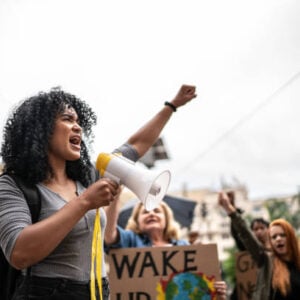
These measures represent a direct attack on women’s autonomy, stripping them of basic rights and reinforcing the Taliban’s strategy of making women invisible in public life. In response, activists in Herat, Kabul, and abroad have organized symbolic protests, burning burqas and sharing powerful messages calling for freedom, visibility, and resistance. Their statements emphasize that forced veiling is not cultural but political, imposed to control women’s bodies and silence their voices.
The actions in Herat reflect a broader national pattern of repression. Since May 2022, the Taliban have required women to wear burqas or face-covering black hijabs nationwide and mandated male guardians to enforce these rules. Women have also been restricted from moving in public without a mahram. The 2024 Law on the Promotion of Virtue and Prevention of Vice further escalated constraints by formally banning women’s voices from being heard outdoors and enabling widespread arrests for dress code violations.
Each new restriction intensifies women’s isolation and exclusion. Despite these oppressive measures, Afghan women continue to resist bravely, asserting their right to dignity and freedom. Governments worldwide are urged to respond decisively and hold the Taliban accountable until Afghan women regain their fundamental rights.