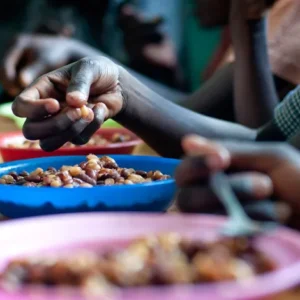
Food security remains a critical and growing challenge in Africa, with the proportion of undernourished people rising even as global hunger shows modest improvements elsewhere. In 2022, nearly 19.7 percent of the African population was undernourished, marking a 4.6 percentage point increase since 2010. This chronic food insecurity affects hundreds of millions across the continent, with pressures intensifying as Africa’s population is projected to grow from 1.34 billion in 2020 to 2.8 billion by 2050, raising urgent questions about sustainably increasing food production amid mounting environmental pressures.
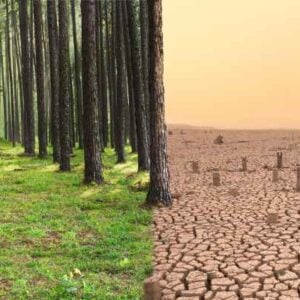
Despite Africa’s vast arable land, youthful population, and rich natural resources, numerous obstacles hinder progress. Climate change poses a severe threat to agriculture, with rising temperatures and erratic rainfall patterns reducing crop viability and degrading soil quality. Regions like the Sahel and southern Africa face worsening conditions due to desertification and prolonged droughts. At the same time, smallholder farmers—the majority of Africa’s agricultural workforce—struggle to access financing, while ambiguous land tenure systems, complex legal frameworks, and political instability add layers of difficulty to project implementation.
The scale of investment needed to address Africa’s food insecurity is immense. Food import bills are expected to rise sharply, and investments in sustainable agricultural and nature-based solutions must increase exponentially to meet global climate targets. Public budgets and development finance institutions (DFIs) alone are insufficient, making the engagement of private capital and commercial financing essential. Recent trends show that blended finance models, combining concessional and commercial funding, are enabling investment in private-sector projects, though challenges around bankable projects, due diligence, and regulatory hurdles remain.
Several flagship initiatives illustrate both the potential and limitations of current financing models. The Great Green Wall seeks to restore degraded land across 11 Sahelian countries, while the Peace Forest Initiative focuses on restoration in fragile and conflict-affected areas. Other programs, like the GCF-EBRD Sustainable Energy Financing Facilities and the Infrastructure Climate Resilient Fund, demonstrate how technical assistance, co-financing, and on-lending structures can amplify impact while embedding climate resilience into development projects. Despite the promise, these initiatives highlight the reliance on concessional and public finance, and the need for innovative solutions to attract private investment.
Emerging solutions include blended finance, risk mitigation tools, aggregation of smallholder projects, and the use of artificial intelligence for monitoring land tenure and project outcomes. Revenue diversification, combining carbon credits with other streams such as timber, fruit, or watershed payments, also enhances financial viability. Building precedents through successful projects reduces uncertainty and encourages further investment, demonstrating that while financing food security in Africa is challenging, it is achievable with strategic, coordinated approaches.
Ultimately, achieving sustainable food security in Africa requires an integrated strategy that combines concessional and commercial finance, data-driven monitoring, robust legal frameworks, and strong local engagement. By scaling innovative financing solutions and building resilient institutions, Africa has the potential to transform its food systems, ensure climate resilience, and generate sustainable economic benefits for communities across the continent.