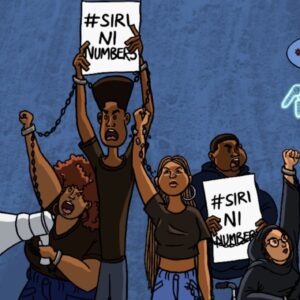
Bangladesh’s International Crimes Tribunal has sentenced former Prime Minister Sheikh Hasina and former Home Minister Asaduzzaman Khan Kamal to death in absentia for alleged crimes against humanity linked to student-led protests in July and August 2024. Amnesty International condemned the decision, stating that those responsible for human rights violations during the protests must be investigated and prosecuted through fair and impartial trials. The organization emphasized that the death penalty constitutes a cruel, degrading, and inhuman punishment that does not deliver justice for victims.
The 2024 protests, which erupted over the reinstatement of a 30% quota in government jobs for the children of freedom fighters, resulted in over 1,400 deaths and thousands of injuries. Amnesty International criticized the tribunal for lacking independence, conducting a trial of unprecedented speed, and limiting the defendants’ ability to prepare an adequate defense or cross-examine evidence. These factors, combined with the in absentia nature of the proceedings, raised serious concerns about fairness and impartiality.
Amnesty International stressed that justice for survivors and victims requires transparent, unbiased, and internationally compliant judicial proceedings. The organization reiterated its opposition to the death penalty in all circumstances, warning that such sentences compound human rights violations instead of delivering meaningful accountability.
The tribunal also sentenced Chowdhury Abdullah Al-Mamun, a former police chief who became a state witness, to five years in prison after pleading guilty and being tried in person. Amnesty International has historically criticized Bangladesh’s International Crimes Tribunal for political influence, systemic fair trial violations, and pressure for death sentences, noting that these concerns undermine public confidence in achieving genuine justice for victims.