The Government of Brazil, local communities, and a wide coalition of partners have launched the ARPA Comunidades initiative, marking a new phase in Brazil’s long-term commitment to conserving the Amazon. This new effort builds on the success of the original Amazon Region Protected Areas (ARPA) program, which became the largest tropical forest conservation initiative in history and helped prevent more than 104 million tons of CO₂ emissions. ARPA Comunidades aims to strengthen protection across nearly 60 million acres of sustainable-use protected areas and create an additional 7.4 million acres of new protected regions, directly benefiting more than 130,000 people.
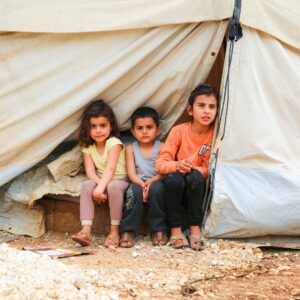
As a community-centered conservation model, ARPA Comunidades places traditional and local communities at the heart of decision-making and implementation. The initiative supports around 130 community organizations working to secure territorial rights, improve access to public services, strengthen food security, create climate-resilient livelihoods, and elevate the leadership of women and youth. It also focuses on expanding clean, reliable energy access by replacing diesel generators with renewable sources such as solar, hydro, biomass, and wind. Through these efforts, 77,000 people living in protected areas will gain access to electricity, renewable energy systems, and internet connectivity, enabling long-term, community-driven development.
ARPA Comunidades will help local communities strengthen sustainable forest-based economies by supporting the production and marketing of non-timber forest products. This approach not only increases income opportunities but also reinforces the value of keeping forests standing. The initiative positions people and nature as interconnected, ensuring that conservation improves quality of life while protecting the Amazon’s ecological integrity.
The initiative brings together local communities, the Brazilian government, philanthropic partners, international organizations, and multilateral institutions under a shared vision for Amazon conservation. Built on the Project Finance for Permanence model, ARPA Comunidades secures long-term policies, governance structures, and durable funding before implementation begins. This coordinated approach ensures that conservation efforts and community benefits are sustained far into the future. The project has been shaped through extensive consultation with community organizations, civil society groups, and state governments across the Amazon region.
Many global partners have contributed to the launch, including philanthropic foundations, financial institutions, and conservation organizations. Leaders across these institutions emphasized that the Amazon is essential not only to Brazil but to global climate stability, biodiversity, and cultural heritage. They highlighted that durable conservation can only be achieved by empowering the communities who live in and depend on the forest. The initiative also honors the deep knowledge and traditions of Indigenous peoples and local populations, recognizing their central role in safeguarding biodiversity.
One of the key innovations of ARPA Comunidades is its focus on building a socio-bioeconomy—a set of sustainable, community-led economic activities that reduce pressure on forests and provide viable livelihoods. In many rural areas of the Amazon, poverty drives deforestation as communities turn to environmentally harmful activities for income. By supporting enterprises such as honey production, handicrafts, eco-tourism, and sustainable harvesting, the initiative aims to lift thousands of families out of poverty. Studies show that improving local incomes has a measurable impact on reducing deforestation, underscoring why socio-bioeconomic development is essential for conservation.
Economic activities supported by ARPA protected areas have the potential to generate up to $132 million annually, creating long-term prosperity for communities while preserving the rainforest. The initiative also strengthens access to land rights, market opportunities, and public services, addressing many of the deep inequalities faced by rural Amazonian populations. Through inclusive participation and co-design, ARPA Comunidades fosters transparent, community-led governance structures that ensure protection efforts reflect local priorities and realities.
ARPA Comunidades is part of the broader Enduring Earth collaboration, a global partnership working to scale conservation through durable finance. With this new initiative, Enduring Earth has now helped secure long-term protection for more than 518 million acres worldwide. The shared goal is to protect over one billion acres of land and waters by 2030. ARPA Comunidades demonstrates how meaningful conservation outcomes can be achieved when governments, communities, and global partners align behind a common purpose.
The initiative’s success builds on the proven Project Finance for Permanence model, which requires all financial and policy commitments to be secured upfront before the project begins. This ensures long-term funding, governance, and implementation capacity, avoiding fragmented or short-term conservation efforts that often fail to deliver lasting results. By designing a single, coordinated agreement among governments, donors, and civil society, the PFP model enables large-scale conservation that endures for generations.
The launch of ARPA Comunidades represents a major step toward protecting the Brazilian Amazon at a critical moment for the planet. By combining community leadership, durable financing, sustainable economic development, and strong governance, the initiative creates a powerful model for achieving conservation at scale. It demonstrates that the future of the Amazon depends on the people who live there—and that protecting the forest and supporting community well-being must go hand in hand.