The United Nations Assistance Mission in Somalia (UNSOM), and later the United Nations Transitional Assistance Mission in Somalia (UNTMIS), have been mandated to support the Federal Government of Somalia in disarmament, demobilisation and reintegration (DDR) as part of broader peacebuilding and state-building efforts. The International Organization for Migration has also played a central role through its disengagement, disassociation, reintegration and reconciliation programming, helping rehabilitate former combatants under Somalia’s National Programme for the Treatment and Handling of Disengaged Combatants. This report outlines the key lessons learned and good practices that emerged through years of DDR implementation in Somalia.
Somalia’s fragile and conflict-affected environment has made DDR implementation uniquely complex. Ongoing non-international armed conflict, limited state capacity, and security challenges have shaped how the UN and partners engage. Although the Federal Government has viewed DDR primarily as a military tool to weaken Al-Shabaab, a broader peacebuilding approach is needed. A major lesson is that DDR is deeply political; without strong government buy-in, legal frameworks, and national investment, UN technical support cannot achieve sustainable outcomes. Strengthening national political ownership and transparency is crucial to improving donor confidence and long-term programme viability.
Livelihoods support emerged as a central factor for successful reintegration. Programmes must be grounded in the social and economic realities of communities, with vocational training tailored to local opportunities. Mental health and psychosocial support are also essential for rehabilitation, as beneficiaries consistently reported improvements in well-being after receiving such support. Gender and youth considerations remain vital, as women and children experience distinct challenges in leaving Al-Shabaab and reintegrating, often receiving less prioritization from Somali authorities.
Somalia’s experience demonstrated the need for both centre-based and non-residential reintegration options. While rehabilitation centres offer structured services, they are costly and difficult to scale. Community-based, legally anchored alternatives provide more sustainable and flexible pathways, especially given Somalia’s reliance on clan and family networks. However, the absence of a shared understanding of DDR among stakeholders and the lack of a unified national strategy and legal framework hindered coherence, donor engagement, and effective coordination.
At a strategic level, divergent visions between the Somali government, donors, and the UN about DDR’s purpose limited progress. While Somali authorities approached DDR as part of counterinsurgency, the UN advocated a broader peacebuilding role in line with updated UN DDR standards. Without political leadership, legal clarity, and reconciliation efforts, rehabilitation and reintegration alone cannot significantly contribute to durable peace.
Data for the lessons review was collected through documentation analysis and extensive interviews in Somalia and abroad. The National Defectors Rehabilitation Programme, established in 2012, provided a structured pathway encompassing outreach, reception, screening, rehabilitation, and reintegration of low-risk defectors. Over time, DDR efforts in Somalia evolved into a third-generation DDR model designed for ongoing conflict settings. Yet, the lack of a legal framework, reliance on outdated penal codes, and informal or ad-hoc amnesty processes created significant obstacles. Climate change further compounded conflict dynamics by intensifying resource scarcity, displacement, and vulnerability to Al-Shabaab exploitation.
Key findings show that successful implementation requires strong national ownership, effective donor coordination, and robust learning systems. Addressing the needs of defectors requires economic opportunities, psychosocial support, and the involvement of family and clan structures. Reintegration has increasingly shifted toward community-based approaches, which are more cost-effective and adaptable. Strategic challenges include misaligned expectations, weak national frameworks, and insufficient political prioritization of DDR beyond its military utility.
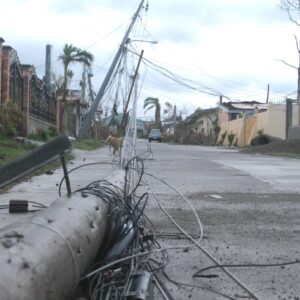
Climate change has become a major driver of conflict, with Al-Shabaab exploiting droughts, floods, and resource scarcity to increase control and recruitment. Integrating climate resilience into DDR programming can help reduce the appeal of armed groups and support long-term stability. Community-level natural resource management, climate-sensitive livelihoods, and cooperation with adaptation actors can strengthen reintegration outcomes.
Looking ahead, rehabilitation and reintegration remain essential but insufficient on their own to drive national conflict resolution. There is limited evidence that DDR, as currently implemented, can meaningfully reduce violent extremism without broader political, security, and governance reforms. Given these constraints, the UN’s most impactful role may lie in shaping global and regional policy frameworks that encourage Somalia to adopt stronger strategic and legal foundations for DDR.
The report concludes with key recommendations, including the need for consistent UN messaging on DDR, the establishment of a national DDR framework with legal clarity, stronger donor coordination, expansion of community-based reintegration models, prioritization of mental health and psychosocial support, integration of climate-sensitive approaches, and continued focus on gender inclusion. These steps would support more coherent, sustainable, and Somali-led DDR outcomes in the years ahead.