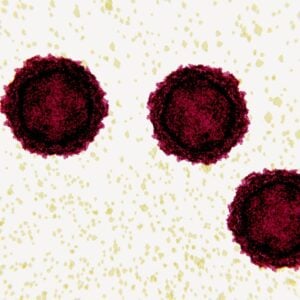
Leaders from the World Health Organization (WHO) Western Pacific Region convened in Tokyo to celebrate 25 years since the region was certified polio-free. The milestone coincided with the 31st meeting of the Regional Commission for the Certification of Poliomyelitis Eradication in the Western Pacific (RCC), the independent body responsible for verifying that poliovirus transmission remains halted. The event, hosted by the Government of Japan and supported by the Japan Institute for Health Security, brought together national certification committee chairs, global experts, and partners including UNICEF, Rotary International, Gavi, the US CDC, and the Gates Foundation to reaffirm the need for sustained vigilance, funding, and political commitment to maintain a polio-free region.
The Western Pacific Region set a global benchmark when it was certified polio-free in 2000, demonstrating the impact of partnership, science, and community engagement. Its surveillance and immunization strategies have become standards for regions still fighting polio. However, recent outbreaks in Papua New Guinea and the resolved outbreak in Indonesia highlight that poliovirus remains a threat, reinforcing the importance of high population immunity, strong surveillance, rapid response capacity, and robust public health measures at borders. National campaigns, such as Papua New Guinea’s polio vaccination drive supported by WHO and partners, continue to protect children from the disease.
While celebrating progress, participants also emphasized the ongoing risks from declining global development assistance, competing health priorities, and pandemic-related fatigue that can weaken vigilance. Dr Nimfa Putong, a physician and polio survivor from the Philippines, highlighted the human impact of the disease and stressed that continued dedication is essential to protect all children. Her testimony underscored the moral imperative to sustain eradication efforts until polio is eliminated everywhere.
The meeting also recognized the decades-long commitment of civil society partners like Rotary International, whose advocacy ensures immunization reaches every community, from remote islands to urban areas. The Western Pacific’s success serves both as inspiration and a reminder that global polio eradication requires shared responsibility: until the virus is eradicated worldwide, no region is completely safe.