The Asia-Pacific region is highly vulnerable to natural disasters, with floods, droughts, heatwaves, and storms increasingly disrupting landscapes and livelihoods. While global frameworks such as CEDAW, the Beijing Platform for Action, and the SDGs stress that gender equality is key to sustainable food systems and climate action, climate impacts affect women disproportionately. Women constitute over 60% of the agricultural workforce in many countries across the region, playing a central role in food production, yet they face persistent barriers such as limited access to land, credit, and decision-making, and are often in low-value, unpaid, or informal roles.
Momentum is growing to make agri-food and climate systems more gender-responsive, leveraging digital solutions, better data, and investments in women-led innovations. Many countries in the region have incorporated gender priorities into their nationally determined contributions and national adaptation plans, though financing gaps remain significant, with only 2.9% of climate-related development finance targeting gender equality. Bridging these gaps could unlock over USD 1 trillion in global GDP gains and foster more resilient and inclusive food systems.
UNDP is actively advancing gender equality in climate and agri-food policies through its global gender strategy and Strategic Plan 2026–2029, ensuring women’s voices and leadership are central at local, national, and regional levels. Its Nature Pledge, supporting over 140 countries, emphasizes gender equality in biodiversity goals, while regional programs integrate women into climate and development agendas.
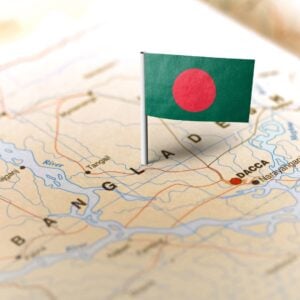
In Bangladesh, the LOGIC project has reached over 1.1 million people, with 98% of household grants benefiting women. This has enabled adaptive livelihoods like crab farming and home-based vegetable enterprises, while increasing women’s financial autonomy. Globally, initiatives such as the Adaptation Innovation Marketplace have supported 44 community-led projects across 33 countries, benefiting 2.6 million people, including indigenous women in Thailand trained in climate-smart silk production and women water entrepreneurs in Bangladesh managing clean water systems. In China, the Rural Digital Finance Initiative has mobilized over USD 20 million for more than 7,000 MSMEs, prioritizing women-owned businesses.
Gender-responsive governance is central to enabling women in agri-food systems to thrive. In Cambodia, the Global SCALA program updated the Climate Change Action Plan to include gender-responsive budgeting and measurable outcomes for women’s economic empowerment. In Indonesia, the FAST project promotes women’s participation in sustainable palm oil and cocoa value chains, while in Mongolia, the Food System Transformation Initiative embeds gender equality in climate and biodiversity policies and supports women-led green enterprises. Bhutan’s Climate Resilient Agriculture Initiative has integrated gender into climate-smart practices, reducing labor burdens and freeing time for income-generating activities, and in Thailand, the SCALA initiative has strengthened evidence on women’s contributions to maize and livestock systems.
Women’s leadership is critical to climate resilience. In Bangladesh, women are addressing coastal salinity through adaptive livelihoods and rainwater harvesting. In Iran, women-led self-help groups channel microfinance into climate-smart agriculture, ecotourism, and animal husbandry. In India, women are leading renewable energy initiatives such as solar-powered cold storage, improving market access and bargaining power. Digital tools further enhance impact: in Iran, wetlands conservation projects have created digital hubs connecting women farmers to markets, in Cambodia, the Women’s Resilience Index provides gender-specific climate data, and in Bhutan, female farmers use smart irrigation systems to optimize water use.
Partnerships and South-South collaboration expand these impacts. Through the IPSA Fund, women farmers in 10 countries access solar-powered agricultural technologies, and the Equator Initiative highlights indigenous women leaders implementing nature-based solutions from India to Indonesia and Papua New Guinea. Thirty years after the Beijing Platform for Action, it is critical that agri-food and climate policies, investments, and innovations fully integrate gender, recognizing women not only as beneficiaries but as co-creators of climate solutions and architects of sustainable, scalable food security.