Super Typhoon Fung-Wong, locally known as Uwan, has struck Luzon—the Philippines’ largest and most populated island—bringing catastrophic winds, torrential rainfall, and severe flooding. The storm, the 21st of the season, hit just days after Typhoon Kalmaegi (Tino), compounding the destruction and leaving communities struggling to recover. Together, the two typhoons have affected over 8.3 million people and displaced 1.4 million, creating an urgent need for humanitarian aid. The World Food Programme (WFP) has rapidly mobilized life-saving food and logistics support to reach those hardest hit.
Ahead of the disaster, WFP implemented anticipatory cash assistance to help families prepare for the storms. More than 210,000 people across five provinces—Aurora, Batanes, Cagayan, Isabela, and Nueva Ecija—received emergency cash transfers of PHP 4,000 (about US$68) per household. This financial support enabled families to buy food, reinforce their homes, and safely evacuate before the typhoon made landfall. The proactive approach, coordinated with the Department of Social Welfare and Development, helped thousands of vulnerable households protect their lives and livelihoods and positioned them for faster recovery after the storms.
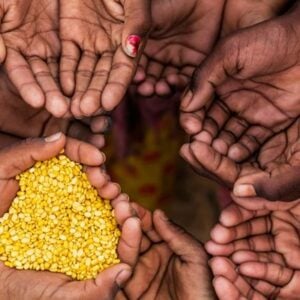
Following Super Typhoon Fung-Wong’s passage, WFP launched a large-scale humanitarian food response, reaching nearly one million people with 187,000 family food packs, each designed to sustain a family for three days. In preparation, WFP had already prepositioned 271,000 food packs, including rice donated by the Republic of Korea, to enable immediate relief once conditions allowed.
To restore critical infrastructure, WFP and the government deployed mobile emergency communications units to reestablish connectivity in affected areas. The organization also provided generators, warehouse equipment, and multi-storage units to support logistics operations in 14 provinces. These efforts build on years of collaboration between WFP and the Philippine government to strengthen disaster preparedness systems—capacity that has significantly improved the speed and coordination of the national emergency response since Super Typhoon Haiyan in 2013.