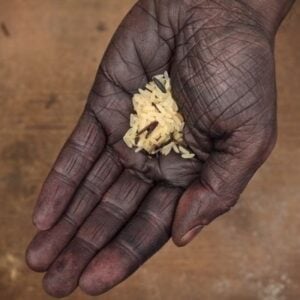
Women in El Fasher, the capital of North Darfur in Sudan, are enduring extreme suffering amid the ongoing conflict, according to UN Women Regional Director Anna Mutavati. Many have faced starvation, displacement, rape, and bombardment, while pregnant women have been forced to give birth in the streets after maternity hospitals were looted or destroyed. The Rapid Support Forces (RSF) captured El Fasher in late October following over 500 days of siege, with widespread reports of atrocities including summary executions and sexual violence.
The conflict erupted in April 2023 when clashes between the Sudanese Armed Forces and the RSF intensified after a stalled transition to civilian rule following the overthrow of former ruler Omar al-Bashir. Heavy fighting has devastated communities, displaced millions, and worsened an already dire humanitarian crisis. Reports suggest that sexual violence, including rape, is being systematically used as a weapon of war, with women and girls facing danger while fetching water, collecting firewood, or standing in food lines.
The humanitarian situation remains dire, with few safe spaces or access to psychosocial care for women. Basic necessities have become scarce, with a single packet of sanitary towels costing around $27 while the average humanitarian cash assistance for a family of six is under $150 per month. Families are forced to make impossible choices between food, medicine, and dignity, with women and girls often eating last or skipping meals entirely, undermining their long-term nutrition and health. Reports indicate women in besieged areas are scavenging for survival, including foraging for wild leaves and berries.
Famine conditions have been confirmed in El Fasher and Kadugli, the capital of South Kordofan, and cases of severe acute malnutrition are rising among infants, linked to malnourished mothers. Mutavati stressed the urgent need for ending violence, broadening humanitarian access, and supporting women-led aid initiatives such as soup kitchens. She emphasized that the plight of women and girls is a measure of global humanity, highlighting the daily risks of childbirth under fire, child hunger, and lack of justice.
UN humanitarian chief Tom Fletcher arrived in Sudan to advocate for an end to atrocities and unhindered access for aid workers. Despite a reduction in major clashes, North Darfur remains volatile, with civilians facing sporadic attacks, looting, and gender-based violence. In South Kordofan, drone strikes have destroyed schools and injured displaced populations, while insecurity continues to block aid delivery. Over 12,000 people have fled Darfur and Kordofan to White Nile State since late October, adding pressure to already scarce resources and underscoring the urgent need for civilian protection and safe access for humanitarian assistance.