• Skip to primary navigation
  • Skip to main content
  • Skip to primary sidebar

fundsforNGOs News

Grants and Resources for Sustainability

  • Subscribe for Free
  • Premium Support
  • Premium Login
  • Premium Sign up
  • Home
  • Funds for NGOs
    • Agriculture, Food and Nutrition
    • Animals and Wildlife
    • Arts and Culture
    • Children
    • Civil Society
    • Community Development
    • COVID
    • Democracy and Good Governance
    • Disability
    • Economic Development
    • Education
    • Employment and Labour
    • Environmental Conservation and Climate Change
    • Family Support
    • Healthcare
    • HIV and AIDS
    • Housing and Shelter
    • Humanitarian Relief
    • Human Rights
    • Human Service
    • Information Technology
    • LGBTQ
    • Livelihood Development
    • Media and Development
    • Narcotics, Drugs and Crime
    • Old Age Care
    • Peace and Conflict Resolution
    • Poverty Alleviation
    • Refugees, Migration and Asylum Seekers
    • Science and Technology
    • Sports and Development
    • Sustainable Development
    • Water, Sanitation and Hygiene (WASH)
    • Women and Gender
  • Funds for Companies
    • Accounts and Finance
    • Agriculture, Food and Nutrition
    • Artificial Intelligence
    • Education
    • Energy
    • Environment and Climate Change
    • Healthcare
    • Innovation
    • Manufacturing
    • Media
    • Research Activities
    • Startups and Early-Stage
    • Sustainable Development
    • Technology
    • Travel and Tourism
    • Women
    • Youth
  • Funds for Individuals
    • All Individuals
    • Artists
    • Disabled Persons
    • LGBTQ Persons
    • PhD Holders
    • Researchers
    • Scientists
    • Students
    • Women
    • Writers
    • Youths
  • Funds in Your Country
    • Funds in Australia
    • Funds in Bangladesh
    • Funds in Belgium
    • Funds in Canada
    • Funds in Switzerland
    • Funds in Cameroon
    • Funds in Germany
    • Funds in the United Kingdom
    • Funds in Ghana
    • Funds in India
    • Funds in Kenya
    • Funds in Lebanon
    • Funds in Malawi
    • Funds in Nigeria
    • Funds in the Netherlands
    • Funds in Tanzania
    • Funds in Uganda
    • Funds in the United States
    • Funds within the United States
      • Funds for US Nonprofits
      • Funds for US Individuals
      • Funds for US Businesses
      • Funds for US Institutions
    • Funds in South Africa
    • Funds in Zambia
    • Funds in Zimbabwe
  • Proposal Writing
    • How to write a Proposal
    • Sample Proposals
      • Agriculture
      • Business & Entrepreneurship
      • Children
      • Climate Change & Diversity
      • Community Development
      • Democracy and Good Governance
      • Disability
      • Disaster & Humanitarian Relief
      • Environment
      • Education
      • Healthcare
      • Housing & Shelter
      • Human Rights
      • Information Technology
      • Livelihood Development
      • Narcotics, Drugs & Crime
      • Nutrition & Food Security
      • Poverty Alleviation
      • Sustainable Develoment
      • Refugee & Asylum Seekers
      • Rural Development
      • Water, Sanitation and Hygiene (WASH)
      • Women and Gender
  • News
    • Q&A
  • Premium
    • Premium Log-in
    • Premium Webinars
    • Premium Support
  • Contact
    • Submit Your Grant
    • About us
    • FAQ
    • NGOs.AI
You are here: Home / cat / Global Health Inequality: Why Survival in the Next Pandemic Depends on Location

Global Health Inequality: Why Survival in the Next Pandemic Depends on Location

Dated: November 4, 2025

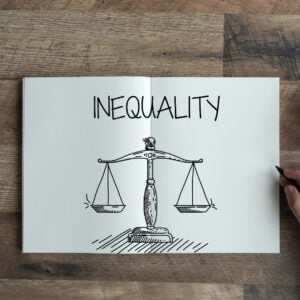
A new study released ahead of the upcoming G20 meetings in Johannesburg, South Africa, warns that inequality in access to housing, healthcare, education, and employment is leaving millions of people more vulnerable to future pandemics. The report, launched by UNAIDS, reveals that inequality not only worsens the spread and impact of diseases but also weakens global capacity to prevent and respond effectively to outbreaks. Titled Breaking the Inequality–Pandemic Cycle: Building True Health Security in a Global Age, the study calls for a redefinition of “health security” that goes beyond vaccines and emergency response to address the underlying social and economic disparities that drive pandemics.

The Global Council on Inequality, AIDS and Pandemics—co-chaired by Nobel Laureate Joseph E. Stiglitz, former First Lady of Namibia Monica Geingos, and epidemiologist Professor Sir Michael Marmot—concluded that pandemics and inequality are interlinked in a vicious cycle, each amplifying the other and undermining global progress. Monica Geingos emphasized that inequality is a political choice, not an inevitable condition, and that world leaders have the power to break this cycle through evidence-based policies that promote equity.

The Council’s findings reveal that inequality exacerbates the spread and lethality of diseases like COVID-19, AIDS, Ebola, and Mpox. In African cities, people living in informal settlements were found to have higher HIV rates compared to those in formal housing. In England, overcrowded housing contributed to higher COVID-19 mortality, while in Brazil, individuals without basic education were several times more likely to die from the virus than those with elementary schooling. Global inequalities between nations also fuel pandemic risks, as low-income countries face persistent barriers in accessing vaccines, medicines, and financial resources—hindering containment efforts and prolonging global disruptions.

Professor Marmot underscored that reducing inequality through decent housing, fair employment, quality education, and strong social protection systems can significantly lower the risk of future pandemics. UNAIDS Executive Director Winnie Byanyima added that the report’s release comes at a critical time, aligning with South Africa’s G20 theme of “Solidarity, Equality, Sustainability.” She urged world leaders to prioritize reducing inequality within and between nations, noting that true health security depends as much on social and economic justice as it does on scientific and technological solutions.

The Global Council’s report outlines four key actions to break the inequality–pandemic cycle: removing financial barriers to give all countries fiscal space to address inequality; investing in the social determinants of health such as housing, education, and nutrition; ensuring equitable access to pandemic-related technologies by treating research and innovation as global public goods; and strengthening community-led, multi-sectoral systems for pandemic preparedness. Together, these steps, the report argues, are essential to creating a fairer, safer, and more resilient world in the face of future global health threats.

Related Posts

  • FIFA & Global Citizen Launch Advisory Board for Global Education Fund
  • Global Workers Face Growing Inequality, UN Calls for Immediate Action
  • UNDP Unveils New Initiative to Fight Climate Change Misinformation
  • Global Climate Action Reaches New Era, but Urgent Acceleration Needed
  • Global Model WHO 2025: Youth Leaders Call for Urgent Measures Against Social Isolation

Primary Sidebar

Latest News

Empowering Communities: Civil Society Partnerships for Water Security in Asia-Pacific

Guyana’s Carbon Market Success: Lessons for Caribbean Green Finance

75 Years of Strategic Philanthropy: Lessons from the Joyce Foundation

India Plastic Waste Rules 2026: Recycled Content Mandate and Stricter EPR Norms

Malawi COVID-19 Lessons: Systemic Risks and Disaster Resilience

Building a Stronger NGO Framework in Lesotho: Key Lessons from Sierra Leone

India Tightens Foreign NGO Funding Rules with New FCRA Amendment

UNDP Launches E-Course on Sovereign Credit Ratings for African Officials

UNDP Training Helps Pryluky Community Attract UAH 160 Million for Local Development

UN Digital Readiness Toolkit Supports Human Rights Institutions in Safe Digital Transformation

UNESCO Expands We Are ABLE Project to Promote Inclusive STEAM Education in Vietnam

CDB Approves $10 Million Credit Line to Boost SMEs in Trinidad and Tobago

Peru Secures $37.5M Climate Fund Boost to Protect Amazon and Indigenous Communities

Southern Water Opens Funding for Business Water-Saving Projects

IOM Funds Youth-Led Climate Mobility Projects in Kenya and Burundi

UK Expands £500M Innovation Fund to Seven New Regions

$50M Climate Fund Boosts Jamaica’s Farm Resilience with FAO Support

FAO and Flanders Launch $1M Project to Support Farmers in War-Hit Mykolaivska

FAO Expands Cash Support to Gaza Farmers, Urges Input Import Liberalization

Eastern Africa Sets Roadmap to Accelerate Agrifood Systems Transformation

WHO Cyprus Initiative Delivers First Emergency Aid Shipment to Gaza

Ghana Targets High-Risk Districts to Strengthen Cholera Prevention

Ghana Strengthens Health Security with NAPHS Prioritisation Workshop

Burkina Faso Conflict: Report Accuses All Sides of War Crimes and Ethnic Cleansing

EU “Digital Omnibus” Plans Raise Concerns Over AI, Privacy, and Human Rights

EU Urged to Act After Israel Approves Controversial Death Penalty Law

Guterres Warns of Wider War as Middle East Conflict Escalates

Global Crisis Update: South Sudan Rights, WHO Opioid Guidelines, DR Congo Violence

Lao Businesses Prepare for LDC Graduation Amid Trade and Market Changes

ILO and UNHCR Strengthen Partnership in Türkiye for Refugee Jobs and Inclusion

Moldova TVET Schools Lead Green Transition Through EcoImpact Initiative

Yerevan Meeting Highlights Rights and Protection for Domestic Workers

Cameroon Recycling Initiative Turns Waste into Jobs and Sustainable Growth

Sri Lanka and World Bank Launch Partnership to Boost Jobs and Private Investment

Zambia Climate Resilience Report Highlights Growth, Jobs, and Poverty Reduction Opportunities

Sustainable Growth in the Land of a Thousand Hills

EIC Funds €118M for 30 Breakthrough Research Projects

Rethinking Purpose in Later Life for Healthy Longevity

Global Lessons for the Future of Social Care

Private Sector Lessons from FAIR for ALL Programme

Funds for NGOs
Funds for Companies
Funds for Media
Funds for Individuals
Sample Proposals

Contact us
Submit a Grant
Advertise, Guest Posting & Backlinks
Fight Fraud against NGOs
About us

Terms of Use
Third-Party Links & Ads
Disclaimers
Copyright Policy
General
Privacy Policy

Premium Sign in
Premium Sign up
Premium Customer Support
Premium Terms of Service

©FUNDSFORNGOS LLC.   fundsforngos.org, fundsforngos.ai, and fundsforngospremium.com domains and their subdomains are the property of FUNDSFORNGOS, LLC 1018, 1060 Broadway, Albany, New York, NY 12204, United States.   Unless otherwise specified, this website is not affiliated with the abovementioned organizations. The material provided here is solely for informational purposes and without any warranty. Visitors are advised to use it at their discretion. Read the full disclaimer here. Privacy Policy. Cookie Policy.