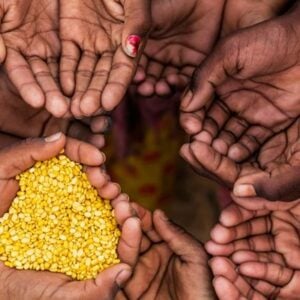
According to the UN Office for the Coordination of Humanitarian Affairs (OCHA), food access in southern Gaza has improved, with one in two households reporting better availability due to rising commercial and humanitarian deliveries. However, the situation in the north remains critical, as no food aid convoy has reached the area through direct crossings since 12 September. Despite the dire conditions, OCHA reported that about 90 per cent of the 29,000 people who moved within Gaza over the weekend were traveling from the south to the north, underscoring the ongoing movement and humanitarian need across the territory.
Over the weekend, the UN and its partners collected nearly 200 truckloads of essential supplies from Israeli crossings. These included nearly 1,900 metric tonnes of food items such as wheat flour and packaged food boxes, as well as over 1,000 pallets of mattresses, blankets, tents, tarpaulins, and winter clothing. Additional supplies consisted of hygiene kits, water containers, fortified cereals, and dignity kits for women and girls. On Sunday, UN teams gathered nearly 1,000 pallets of blankets, tents, and hygiene supplies, along with one truckload of animal fodder. UN Deputy Spokesperson Farhan Haq noted that these figures are preliminary and exclude bilateral donations and commercial deliveries.
Humanitarian partners are also addressing food and nutrition needs across Gaza. The UN currently supports 17 bakeries—nine in the south and eight in the north—that produce around 150,000 bundles of bread daily. Additionally, 180 community kitchens are serving nearly 1.16 million meals per day. To combat malnutrition, 133 treatment sites, including 20 in Gaza City where famine was confirmed in August, are now operational. Over the weekend, teams distributed 1,000 tarpaulins and 2,500 blankets to vulnerable families.
The UN Population Fund (UNFPA) has provided reproductive health and hygiene support to an estimated 90,000 women and girls since the ceasefire. This includes delivering medical equipment such as incubators and surgical supplies to 13 health facilities across Gaza, as well as distributing thousands of post-partum and dignity kits. Efforts to restore education are also underway, with renovation continuing in four schools and the reopening of five temporary learning spaces in Gaza City over the past three days.
Despite improved access in the south, UN agencies emphasize that the humanitarian crisis in Gaza remains severe, with ongoing challenges in reaching the north and addressing widespread shortages of food, shelter, and medical supplies.