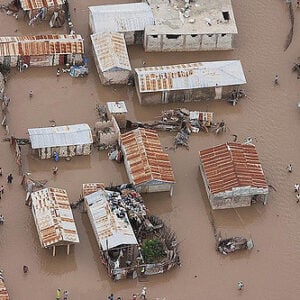
Hurricane Melissa has intensified into an extremely dangerous storm, with wind speeds reaching 165 mph (270 km/h) and storm surges of up to 13 feet (3.9 metres) expected to batter the Caribbean island nation. The situation is rapidly deteriorating, with nearly a third of the island already facing widespread power outages. US forecasters have described the hurricane as “life-threatening,” warning that conditions will worsen significantly in the coming hours.
In response, the World Food Programme (WFP) has launched a sea-lift operation from Barbados to deliver critical supplies on behalf of the International Organization for Migration (IOM), UNICEF, and WFP itself. Around 2,000 relief kits are prepared for deployment once weather conditions improve and airports reopen. The operation is being coordinated with the Caribbean Disaster Emergency Management Agency and a joint aid hub in Barbados, with key support from the European Union and Canada.
As the hurricane moves slowly toward Cuba, authorities there are preparing to evacuate around half a million residents to safer areas. In neighbouring Haiti, the southern departments have been placed on high alert, and more than 3,600 people are already sheltering in emergency sites. IOM is helping to shelter 3,000 people and establish 100 additional shelters as part of preventive measures. The UN and partners are continuing to collaborate with Haitian authorities to strengthen preparedness and early action.
To support the ongoing humanitarian response, WFP has pre-positioned over 800 metric tons of food for 86,000 people in Haiti, while UNICEF has stockpiled hygiene and nutritional supplies for thousands of families and children. UNFPA has prepared reproductive health and dignity kits, and the WHO-led Pan American Health Organization (PAHO) has provided medical supplies for roughly 11,000 people.
UNESCO’s Representative in Jamaica, Eric Falt, warned that Hurricane Melissa’s slow pace could amplify its destructive potential, as prolonged rainfall may lead to severe flooding. He stressed that while Caribbean governments and UN agencies have demonstrated strong preparedness and regional solidarity, the unpredictable force of nature remains a major challenge. UN agencies continue to work closely together as the situation unfolds, prioritizing life-saving aid and coordination across affected areas.