• Skip to primary navigation
  • Skip to main content
  • Skip to primary sidebar

fundsforNGOs News

Grants and Resources for Sustainability

  • Subscribe for Free
  • Premium Support
  • Premium Login
  • Premium Sign up
  • Home
  • Funds for NGOs
    • Agriculture, Food and Nutrition
    • Animals and Wildlife
    • Arts and Culture
    • Children
    • Civil Society
    • Community Development
    • COVID
    • Democracy and Good Governance
    • Disability
    • Economic Development
    • Education
    • Employment and Labour
    • Environmental Conservation and Climate Change
    • Family Support
    • Healthcare
    • HIV and AIDS
    • Housing and Shelter
    • Humanitarian Relief
    • Human Rights
    • Human Service
    • Information Technology
    • LGBTQ
    • Livelihood Development
    • Media and Development
    • Narcotics, Drugs and Crime
    • Old Age Care
    • Peace and Conflict Resolution
    • Poverty Alleviation
    • Refugees, Migration and Asylum Seekers
    • Science and Technology
    • Sports and Development
    • Sustainable Development
    • Water, Sanitation and Hygiene (WASH)
    • Women and Gender
  • Funds for Companies
    • Accounts and Finance
    • Agriculture, Food and Nutrition
    • Artificial Intelligence
    • Education
    • Energy
    • Environment and Climate Change
    • Healthcare
    • Innovation
    • Manufacturing
    • Media
    • Research Activities
    • Startups and Early-Stage
    • Sustainable Development
    • Technology
    • Travel and Tourism
    • Women
    • Youth
  • Funds for Individuals
    • All Individuals
    • Artists
    • Disabled Persons
    • LGBTQ Persons
    • PhD Holders
    • Researchers
    • Scientists
    • Students
    • Women
    • Writers
    • Youths
  • Funds in Your Country
    • Funds in Australia
    • Funds in Bangladesh
    • Funds in Belgium
    • Funds in Canada
    • Funds in Switzerland
    • Funds in Cameroon
    • Funds in Germany
    • Funds in the United Kingdom
    • Funds in Ghana
    • Funds in India
    • Funds in Kenya
    • Funds in Lebanon
    • Funds in Malawi
    • Funds in Nigeria
    • Funds in the Netherlands
    • Funds in Tanzania
    • Funds in Uganda
    • Funds in the United States
    • Funds within the United States
      • Funds for US Nonprofits
      • Funds for US Individuals
      • Funds for US Businesses
      • Funds for US Institutions
    • Funds in South Africa
    • Funds in Zambia
    • Funds in Zimbabwe
  • Proposal Writing
    • How to write a Proposal
    • Sample Proposals
      • Agriculture
      • Business & Entrepreneurship
      • Children
      • Climate Change & Diversity
      • Community Development
      • Democracy and Good Governance
      • Disability
      • Disaster & Humanitarian Relief
      • Environment
      • Education
      • Healthcare
      • Housing & Shelter
      • Human Rights
      • Information Technology
      • Livelihood Development
      • Narcotics, Drugs & Crime
      • Nutrition & Food Security
      • Poverty Alleviation
      • Sustainable Develoment
      • Refugee & Asylum Seekers
      • Rural Development
      • Water, Sanitation and Hygiene (WASH)
      • Women and Gender
  • News
    • Q&A
  • Premium
    • Premium Log-in
    • Premium Webinars
    • Premium Support
  • Contact
    • Submit Your Grant
    • About us
    • FAQ
    • NGOs.AI
You are here: Home / cat / Top 5 Things Everyone Should Know About Storms and Hurricanes

Top 5 Things Everyone Should Know About Storms and Hurricanes

Dated: October 27, 2025

The 2025 Atlantic hurricane season continues to pose a significant threat across the Americas, with Hurricane Melissa currently moving slowly toward Jamaica. Out of the 19 storms forecast for this year, 13 have already formed, including four hurricanes and three that reached major hurricane status. These extreme weather events raise urgent questions about how storms and hurricanes form, how they are named and predicted, and how individuals and communities can best prepare for them.

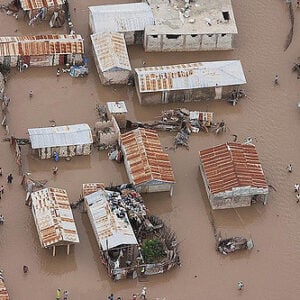
Tropical storms and hurricanes belong to the same system known as tropical cyclones, which are low-pressure systems that rotate counterclockwise in the northern hemisphere. The key difference lies in their intensity: tropical storms have wind speeds between 63 and 118 km/h, while hurricanes exceed 119 km/h. They are known as cyclones in Southeast Asia, typhoons in the Pacific, and hurricanes in the Atlantic and Caribbean. Even without reaching hurricane strength, storms can cause devastating impacts, particularly in vulnerable regions affected by poverty, climate change, and previous disasters. In 2024, storms were the second most frequent type of disaster globally, affecting nearly 30 million people.

Storms and hurricanes form over warm ocean waters with temperatures above 26°C. As warm, moist air rises, it releases heat and strengthens the system, creating the hurricane’s eye and eyewall—the most intense part of the storm. Once a hurricane moves over land, it begins to weaken as it loses access to the ocean’s heat. However, due to climate change, rapid intensification—where wind speeds increase drastically within 24 hours—has become more frequent, leaving communities with little time to prepare.

Hurricanes are given names to simplify communication and prevent confusion when multiple storms occur simultaneously. The World Meteorological Organization maintains six rotating lists of names, alternating between male and female names. If a hurricane causes severe destruction, its name is permanently retired. The naming process helps meteorologists, emergency services, and the public track and prepare for storms more efficiently.

Thanks to advancements in forecasting technology, meteorologists can now predict a hurricane’s path and intensity with greater precision. Slow-moving storms, like Hurricane Melissa, pose a higher risk since their prolonged winds and rain can lead to extended flooding and landslides. Early warning systems and pre-disaster actions—such as strategic placement of humanitarian aid and community evacuation drills—are essential to minimizing damage and loss of life.

Preparation before, during, and after a hurricane is crucial. Individuals should create evacuation plans, identify safe shelters, and secure their homes before hurricane season begins. During a hurricane, it is vital to stay indoors, follow official updates, and avoid windows and unstable structures. After the storm, people should avoid hazards such as downed power lines and contaminated water, assist neighbors, and remain alert for secondary threats like flooding. With proper preparedness and early action, communities can significantly reduce the devastating effects of hurricanes.

Related Posts

  • Caribbean Braces for Hurricane Melissa as 1.6 Million Children Face Danger
  • Caribbean Braces for Hurricane Melissa as 1.6 Million Children Face Danger
  • Investing in Canada’s Future: Programs to Foster Safe and Thriving Communities
  • £4.6 Million Funding Announced for Arts and Culture Initiatives Across the UK
  • Strengthening Indigenous Economies: Ontario Invests Over $3 Million

Primary Sidebar

Latest News

Strengthening Ghana–Korea Trade Ties: GIPC Showcases Gateway Market Potential

Afreximbank Launches 2026 Accelerator Supporting Trade and Industrialisation in Africa

New Greek Law Could Criminalize Aid Workers Assisting Migrants

South Korea Faces International Scrutiny Over Death Penalty for Ex-President Yoon

Rohingya Atrocities and Political Crackdown: Myanmar’s Human Rights Emergency

Zimbabwe Minerals Marketing Authority Reports 6% Revenue Growth in 2025

Government to Unlock Advanced Nuclear Power to Boost Economic Growth

FAO Launches Free Virtual Course on Improving Ruminant Biosecurity

WHO Urges Investment in Health Security Through 2026 Emergency Appeal

UNICEF Warns Children at Severe Risk as Conflict Disrupts Aid and Health Services

WHO Warns: Cancer Cases Could Rise 50% by 2040 Without Strong Prevention

What Is Crisis Management in Digital Marketing and Why Does It Matter?

How Digital Marketing Crises Impact Brand Trust: Case Studies and Recovery Lessons

How Sustainable Brands Drive Stronger Consumer Engagement and Loyalty

Digital Marketing for Non-Profits: Strategies to Boost Awareness, & Engagement

Millions Could Die as Global Aid Collapses, New Lancet Research Report Finds

WTO Chairs Programme Receives Funding Boost from Austria

WTO Fish Fund Seeks Proposals to Advance Fisheries Subsidy Agreement Implementation

Journalists Invited to Apply for Media Accreditation for WTO MC14 in Cameroon

WTO 2026 Workshop to Strengthen Government Procurement Policy and Trade Governance

CPI Study Highlights Women-Led Climate Finance in Nepal

Allianz Launches $1 Billion Emerging Markets Climate Fund with Anchor Backing from BII

BII, Alexforbes Drive Renewable Energy Innovation with R1 Billion Revego Investment

Vodacom Foundations Pledge R6 Million for Flood Relief in Mozambique and South Africa

€13B EIB Group Investment Supports France’s Climate Goals

EIB Backs Energy-Efficient Social Infrastructure with €200 Million Loan to Hemsö

€3.5 Billion EIB Financing Positions Greece Among Top EU Beneficiaries in 2025

Why Cities Are Now at the Heart of the Global Water Crisis

IFC Invests $150 Million in Otokoç Otomotiv to Boost Electric Mobility and Jobs in Türkiye

Nigeria Issues ₦501 Billion Power Sector Bond as AFC Supports Landmark Electricity Reforms

African Development Fund Plans Historic $1 Billion Market Borrowing Amid Donor Funding Decline

Somalia on the Brink: Children Face Catastrophic Hunger as Drought, Funding Cuts Deepen Crisis

New $9.3 Million Initiative Strengthens Climate Resilience and Water Security in Kabul

UNDP–ADB Partnership 2026 Boosts Inclusive Recovery in Kyrgyz Republic

Uzbekistan Launches GIS-Based Disaster Risk System

Peace Forest Initiative Pilot Launched in Kyrgyz Republic

Citi Foundation Launches $35M Community Finance Initiative

World Cancer Research Fund on US Dietary Guidelines 2025–2030

Three Key Takeaways from Davos 2026: Climate Resilience, Innovation and Global Partnerships

FAO, UNEP, WHO and WOAH Renew One Health Partnership Through 2030

Funds for NGOs
Funds for Companies
Funds for Media
Funds for Individuals
Sample Proposals

Contact us
Submit a Grant
Advertise, Guest Posting & Backlinks
Fight Fraud against NGOs
About us

Terms of Use
Third-Party Links & Ads
Disclaimers
Copyright Policy
General
Privacy Policy

Premium Sign in
Premium Sign up
Premium Customer Support
Premium Terms of Service

©FUNDSFORNGOS LLC.   fundsforngos.org, fundsforngos.ai, and fundsforngospremium.com domains and their subdomains are the property of FUNDSFORNGOS, LLC 1018, 1060 Broadway, Albany, New York, NY 12204, United States.   Unless otherwise specified, this website is not affiliated with the abovementioned organizations. The material provided here is solely for informational purposes and without any warranty. Visitors are advised to use it at their discretion. Read the full disclaimer here. Privacy Policy. Cookie Policy.