• Skip to primary navigation
  • Skip to main content
  • Skip to primary sidebar

fundsforNGOs News

Grants and Resources for Sustainability

  • Subscribe for Free
  • Premium Support
  • Premium Login
  • Premium Sign up
  • Home
  • Funds for NGOs
    • Agriculture, Food and Nutrition
    • Animals and Wildlife
    • Arts and Culture
    • Children
    • Civil Society
    • Community Development
    • COVID
    • Democracy and Good Governance
    • Disability
    • Economic Development
    • Education
    • Employment and Labour
    • Environmental Conservation and Climate Change
    • Family Support
    • Healthcare
    • HIV and AIDS
    • Housing and Shelter
    • Humanitarian Relief
    • Human Rights
    • Human Service
    • Information Technology
    • LGBTQ
    • Livelihood Development
    • Media and Development
    • Narcotics, Drugs and Crime
    • Old Age Care
    • Peace and Conflict Resolution
    • Poverty Alleviation
    • Refugees, Migration and Asylum Seekers
    • Science and Technology
    • Sports and Development
    • Sustainable Development
    • Water, Sanitation and Hygiene (WASH)
    • Women and Gender
  • Funds for Companies
    • Accounts and Finance
    • Agriculture, Food and Nutrition
    • Artificial Intelligence
    • Education
    • Energy
    • Environment and Climate Change
    • Healthcare
    • Innovation
    • Manufacturing
    • Media
    • Research Activities
    • Startups and Early-Stage
    • Sustainable Development
    • Technology
    • Travel and Tourism
    • Women
    • Youth
  • Funds for Individuals
    • All Individuals
    • Artists
    • Disabled Persons
    • LGBTQ Persons
    • PhD Holders
    • Researchers
    • Scientists
    • Students
    • Women
    • Writers
    • Youths
  • Funds in Your Country
    • Funds in Australia
    • Funds in Bangladesh
    • Funds in Belgium
    • Funds in Canada
    • Funds in Switzerland
    • Funds in Cameroon
    • Funds in Germany
    • Funds in the United Kingdom
    • Funds in Ghana
    • Funds in India
    • Funds in Kenya
    • Funds in Lebanon
    • Funds in Malawi
    • Funds in Nigeria
    • Funds in the Netherlands
    • Funds in Tanzania
    • Funds in Uganda
    • Funds in the United States
    • Funds within the United States
      • Funds for US Nonprofits
      • Funds for US Individuals
      • Funds for US Businesses
      • Funds for US Institutions
    • Funds in South Africa
    • Funds in Zambia
    • Funds in Zimbabwe
  • Proposal Writing
    • How to write a Proposal
    • Sample Proposals
      • Agriculture
      • Business & Entrepreneurship
      • Children
      • Climate Change & Diversity
      • Community Development
      • Democracy and Good Governance
      • Disability
      • Disaster & Humanitarian Relief
      • Environment
      • Education
      • Healthcare
      • Housing & Shelter
      • Human Rights
      • Information Technology
      • Livelihood Development
      • Narcotics, Drugs & Crime
      • Nutrition & Food Security
      • Poverty Alleviation
      • Sustainable Develoment
      • Refugee & Asylum Seekers
      • Rural Development
      • Water, Sanitation and Hygiene (WASH)
      • Women and Gender
  • News
    • Q&A
  • Premium
    • Premium Log-in
    • Premium Webinars
    • Premium Support
  • Contact
    • Submit Your Grant
    • About us
    • FAQ
    • NGOs.AI
You are here: Home / cat / Haiti’s Deepening Crisis Hits the Most Vulnerable, WFP Alerts

Haiti’s Deepening Crisis Hits the Most Vulnerable, WFP Alerts

Dated: October 14, 2025

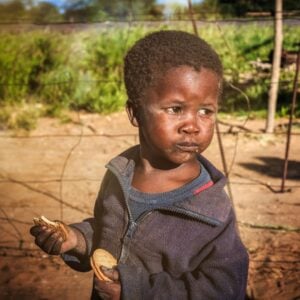
Women, children, and displaced families are bearing the brunt of Haiti’s worsening crisis, which is fueling a sharp rise in hunger and malnutrition, according to the UN World Food Programme (WFP). The warning follows the latest Integrated Food Security Phase Classification (IPC) analysis, revealing that a record 5.7 million Haitians—more than half of the country’s population—are currently facing acute hunger. This marks a 3 percent increase from last year. Malnutrition among children under five has doubled in two years, jumping from 7 to 14 percent, with some regions recording even higher rates.

WFP Haiti Country Director Wanja Kaaria noted that the organization has expanded its efforts to assist a record 2.2 million people this year, but rising needs are outpacing available resources. Without additional funding, millions more could slip deeper into hunger. The ongoing crisis, driven by armed violence, economic decline, inflation, and low agricultural productivity, continues to erode livelihoods and food access. If these trends persist, over 5.9 million Haitians could face acute food insecurity by March 2026. Alarmingly, malnutrition in the North-West and West departments, including Port-au-Prince, has reached Critical (Phase 4) levels.

Displacement caused by armed violence has further deepened the crisis. Approximately 1.3 million people uprooted from their homes are among the most food insecure, with three in four living in makeshift shelters facing Crisis (IPC 3) or Emergency (IPC 4) levels of hunger. Overcrowded and unsanitary conditions, combined with limited access to nutritious food, are leaving infants and young children especially vulnerable to malnutrition and disease.

Despite the bleak outlook, the IPC report highlights the impact of coordinated humanitarian action. Increased food assistance has helped lift about 8,400 displaced people from Catastrophic (IPC 5) to Emergency (IPC 4) levels and reduced the total number of Haitians facing Emergency-level food insecurity by nearly 200,000 since April 2025. Kaaria emphasized that with consistent resources and collaboration among partners, it is possible to reverse hunger trends and build resilience in affected communities.

However, the crisis in Haiti remains severely underfunded. WFP urgently requires US$139 million over the next 12 months to continue providing life-saving food assistance to the most vulnerable and to prevent further deterioration of the country’s humanitarian situation.
Related Posts

  • Haiti Food Crisis: 5.7 Million People at Risk of Hunger
  • Feeding Hope: How U.S. Aid Is Combating Hunger and Malnutrition Across Kenya
  • World Food Day 2025: Why It Matters and How the World Is Taking Action Against Hunger
  • World Food Programme Expands Emergency Aid Amid Emerging Ceasefire
  • Global Partners Call for Bold Investment to Transform Nigeria’s Food System Amid Challenges

Primary Sidebar

Latest News

Glimmer of Hope in Haiti as Gang Frontlines Shift

Breaking the Cycle of Addiction: Ontario’s Community Action

Kyrgyzstan Expands Healthcare Access for Communities

ILO Warns of Job Risks as Nepal Approaches LDC Graduation

ILO and Cuba Partner to Support Persons with Disabilities in Zambia

Air Quality in Uttar Pradesh to Improve Through World Bank Initiative

Boosting Competitiveness and Mining Sustainability in Peru

New Trade Finance Initiative Strengthens Angola’s Economy

INITIATE²: West Africa Boosts Outbreak Preparedness in Dakar

CSW70: Advancing Girls’ Education for Peace in Africa

Pandemic Fund: Strengthening Global Health Security

Uganda NGOs Face Uncertain Future Amid Funding Cuts, Tight Regulations, and Donor Exit

$80 Billion at Risk as Global TB Funding Declines, Study Reveals

NGOs Warn Lebanon on Brink of Humanitarian Crisis Amid Escalation and Mass Displacement

Syria Crisis After 15 Years: Humanitarian Needs Remain Critical Despite Political Change

Czech Government Moves to Tighten NGO Law Amid Transparency Debate and Opposition Criticism

Uganda Freezes NGO Bank Accounts as FIA Investigates Funding Sources and Financial Irregularities

NGO Empowers 60 Lagos Residents with Vocational Skills to Boost Livelihoods and Prevent Child Labour

Olkeriai River Crisis: How Sand Harvesting Is Drying Water Sources and Disrupting Maasai Life in Kenya

10 Key Lessons from Early Warning Systems Innovators Driving Anticipatory Action for Climate Disasters

Tajikistan Needs $1 Billion Annually to Meet Climate Goals and Boost Resilience

Solar Power Transforms Maternal Care and Immunisation in Rural Uganda Health Centres

UNDP Delivers Climate-Resilient Homes to Flood-Affected Families in Quetta

Tree Canopy Charges and Citizen Resistance: Lessons from Victoriaville, Quebec

Aging Pipes and Inequality: Lessons from the Jackson, Mississippi Water Crisis

WaterAid Bangladesh Hosts National WASH4UP Workshop to Strengthen Urban Sanitation and Hygiene Services

UNFPA and FIGO Partner to Boost Innovation and Investment in Women’s Health

Empowering Women in Agrifood Systems: Lessons from Odisha’s Gender-Inclusive Policies

Palisades & Eaton Wildfires: Key Lessons for Fire Management

Leadership Insights from the Luftwaffe in WWII

Cracking the Energy & Climate Finance Puzzle

Marshall Islands’ Reimaanlok Vision: Community-Led Ocean Conservation Expedition

Why Nepal Struggles with Infrastructure Development

Seven Lessons on Financial Sustainability from Better Breed Cameroon

National Strategy to Combat Technology-Driven GBV in Pakistan

UNDP Launches ASEAN Responsible Business Collective

UNDP and Germany Back Flood-Resilient Housing in Balochistan

FfD4 Insights: Strategic Dialogues for Action

Government Aims to Go Further and Faster on Energy Security

EU Extends Sanctions on Russia: Member States Reach Agreement

Funds for NGOs
Funds for Companies
Funds for Media
Funds for Individuals
Sample Proposals

Contact us
Submit a Grant
Advertise, Guest Posting & Backlinks
Fight Fraud against NGOs
About us

Terms of Use
Third-Party Links & Ads
Disclaimers
Copyright Policy
General
Privacy Policy

Premium Sign in
Premium Sign up
Premium Customer Support
Premium Terms of Service

©FUNDSFORNGOS LLC.   fundsforngos.org, fundsforngos.ai, and fundsforngospremium.com domains and their subdomains are the property of FUNDSFORNGOS, LLC 1018, 1060 Broadway, Albany, New York, NY 12204, United States.   Unless otherwise specified, this website is not affiliated with the abovementioned organizations. The material provided here is solely for informational purposes and without any warranty. Visitors are advised to use it at their discretion. Read the full disclaimer here. Privacy Policy. Cookie Policy.