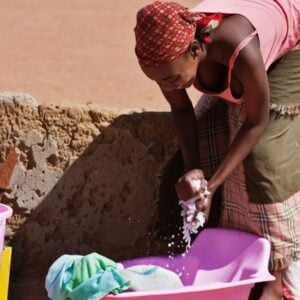
Alimata, a trader from Dori, Burkina Faso, reflects the transformative impact of HIV treatment in the country. Diagnosed HIV-positive in 2007, she initially feared for her life, facing stigma and uncertainty. Today, with consistent antiretroviral (ARV) treatment, she runs her business and leads a normal life, embodying the progress made in Burkina Faso’s fight against HIV. According to UNAIDS, the country’s HIV prevalence has dramatically declined from 7.17% in 1997 to 0.6% in 2023, thanks to a multisectoral response, strong political commitment, and community mobilization. Burkina Faso is now recognized as a regional leader in reducing new HIV infections and improving the quality of life for people living with HIV (PLHIV).
The journey from fear to hope for individuals like Alimata has been supported by strengthened health systems, accessible medication, and psychosocial care. Around 95,000 people are living with HIV in Burkina Faso, and treatment coverage for HIV-positive pregnant women increased from 45% in 2015 to nearly 73% in 2023. Consequently, 98.73% of children born to HIV-positive mothers were HIV-negative in 2023, and HIV-related deaths declined from over 3,000 a decade ago to about 2,600. These figures highlight the success of strategies aimed at preventing mother-to-child transmission and improving overall care.
The World Health Organization (WHO) has played a critical role in these achievements, supporting the “Test and Treat” strategy, which provides immediate ARV treatment regardless of disease stage, helping reduce viral loads and transmission. WHO also assisted in implementing Differentiated Service Delivery (DSD), offering six-month medication refills, community-based ARV distribution, and monitoring systems to prevent drug resistance. These innovations have expanded access to treatment even in remote areas. WHO’s support further extends to strengthening national capacities, training healthcare providers, developing locally adapted protocols, ensuring free ARV access, and maintaining supply chains in security-challenged regions.
Healthcare providers and community actors are central to Burkina Faso’s HIV response. Providers follow long-term care for thousands of patients, overcoming challenges such as aging populations and maintaining adherence. Community support, including counseling, support groups, and home visits, has been vital in combating stigma and encouraging adherence to treatment. Personal stories of resilience, such as Alimata’s and others helped by psychosocial counselors, illustrate the impact of sustained care and guidance.
Burkina Faso is also working toward the “95-95-95” targets set in its 2023–2026 National Strategic Framework: 95% of PLHIV knowing their status, 95% of those on treatment, and 95% of those treated achieving an undetectable viral load. Strong political leadership, including active involvement by the Head of State and the National AIDS Council, ensures a coordinated, multisectoral approach aligned with national and international commitments.
The fight against HIV in Burkina Faso has become a symbol of solidarity and resilience. Collective efforts from government authorities, WHO, healthcare workers, and communities have transformed HIV from a death sentence into a manageable condition, giving hope to thousands. For Alimata and many others, access to treatment and support means a future filled with life, purpose, and the ability to care for their families, exemplifying the progress that can be achieved through commitment, cooperation, and determination.